
Tarneeb JOJO
jogamerCard
4.2312.00 Reviews
- Version
- 1.5.9
- Installs
- 1.00M
- Age Rating
- Teen
Screenshots
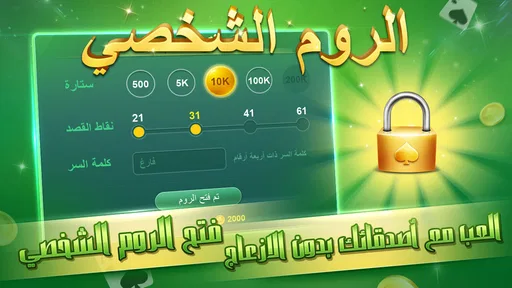
Our Review of Tarneeb JOJO
 Analysis by Appyee
Tarneeb is the kind of card game that works best when the people around the table already know the rhythm of bidding, choosing a trump suit, and trying to read one another’s intentions. Tarneeb JOJO brings that style of play to Android, with an emphasis on playing with friends rather than turning the experience into a complicated collection of extra modes. I found its appeal fairly easy to understand: it gives a familiar social card game a convenient place on a phone, so a group can play without carrying cards or finding a large enough table.
The game comes from jogamer and sits in the card category. It is free to install, aimed at a Teen audience, and has built a sizeable player base, with more than a million installs and an average score of 4.2 from roughly eighteen thousand ratings. Those figures suggest that it has found a steady audience, but they do not remove the need to understand how it fits your particular group. Tarneeb is much more enjoyable when everyone agrees on the rules and knows how they want to play before a match begins.
Getting past the first points of friction
The first difficulty is not necessarily the cards themselves. It is making sure every player understands what kind of experience this is. Someone looking for a fast, solitary card game may find the social focus less satisfying, while a group of friends who already play Tarneeb will probably understand the attraction immediately. The app is most useful when it acts as a shared meeting point for people who want the same game, not when it is treated as a generic card collection.
I would begin by agreeing on the basic table expectations before inviting everyone into a match. Decide who is playing, whether the group is using its familiar local rules, and how much time everyone has. That small conversation prevents a common source of frustration: one player expecting a relaxed round while another is treating every bid as a serious competitive decision.
It is also worth checking that each participant is using the same current release. The listed current version is 1.5.9, and the game requires Android 5.0 or later. A phone that meets the operating-system requirement should be suitable from a compatibility standpoint, but a successful installation does not automatically mean that every player is ready to start at the same moment. Updates, storage pressure, or a forgotten account step can still slow down a group that is waiting together.
Because the game is free, it is easy to try without committing money at the beginning. There are in-app purchases ranging from $0.99 to $99.99 per item, so I would recommend treating spending as optional rather than part of the setup. For a casual group, the important question is whether the basic play experience suits everyone. There is no reason to make a purchase simply to discover whether your friends enjoy the game.
Simple checks before inviting friends
My preferred setup routine is deliberately boring. I install the game early, open it once, and make sure it reaches the playable part of the app before the group is ready. I then check that the phone has a stable connection, enough free space for normal app operation, and a battery level that will not turn a close match into an abrupt exit. These checks are especially useful when the game is being used during a break, on a trip, or at a family gathering where nobody wants to spend the first several minutes troubleshooting.
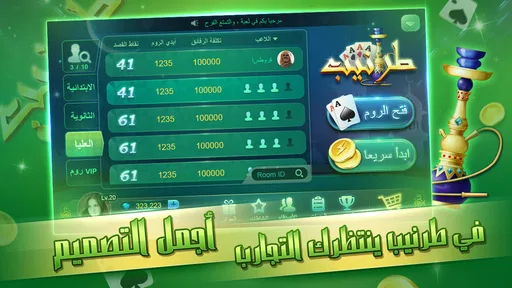
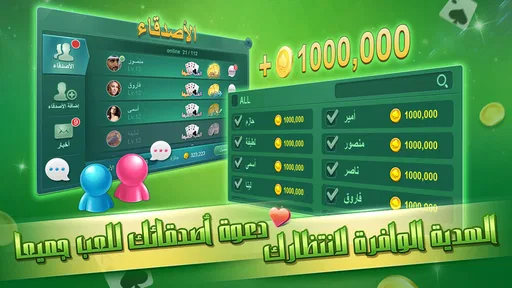
Next, I make sure I know how the friend-play process is supposed to begin. The store summary specifically presents the game as something you can play with friends, but the practical details still matter: everyone should know where to look for the relevant playing option, how to recognize an invitation or room, and what to do if a player disappears from the expected screen. I would not assume that a person who has never played a mobile card game will immediately understand every button.
A useful habit is to have one experienced player act as the organizer. That person can create or start the session, explain the sequence, and wait until the other players are visibly ready. It is better than having four people tap around independently and then wonder why their screens do not match. This is one of the less obvious improvements to the experience: organizing the table matters almost as much as knowing the card rules.
New players should also be given a short explanation of the vocabulary used at the table. Tarneeb depends on decisions that make sense only when players understand what a bid means and how the selected suit affects later tricks. If someone is learning while the match is already moving quickly, they may feel lost even though the app itself is functioning normally. A brief practice explanation outside the live round can make the first proper game much more enjoyable.
Recovering when a match does not go smoothly
When a friend cannot join, I would avoid immediately blaming the game. First, I would have that player close and reopen the app, then check the connection and confirm that the invitation or room details were entered correctly. If the player has just installed the game, I would also ask them to finish any initial screens rather than leaving the app halfway through setup. These are basic steps, but they solve many problems caused by an incomplete start.
If one person is stuck while the others are ready, the cleanest approach is often to pause the plan and restart the invitation process in an orderly way. Have the organizer leave the waiting screen only if necessary, then begin again with one player at a time. Repeatedly sending invitations from several phones can make it harder to tell whether the problem is the invitation, the connection, or a simple misunderstanding about which screen should be open.
It helps to separate three different situations. If the app will not open, the issue is probably local to the phone or installation. If it opens but a player cannot enter the shared match, the connection or session process deserves attention. If everyone enters but the game behaves unexpectedly during a round, first check whether the players understand the current turn and bidding state. Treating every problem as the same kind of failure usually wastes time.
I would also avoid switching repeatedly between mobile data and Wi-Fi while a session is being arranged. Moving between networks can interrupt a connection at exactly the wrong moment. A stable connection is more valuable than a fast-looking one for a social card game, because the group mainly needs consistent communication with the shared session rather than demanding graphics performance.
If the app closes unexpectedly, reopening it is the sensible first response. Before trying again, close other demanding apps, check that the phone is not extremely low on storage, and make sure the operating system is supported. These are general Android maintenance steps, not promises about a particular fault, but they are practical ways to distinguish a phone-side problem from a game-side problem.
Keeping the table moving after an interruption
An interruption is more manageable when the group has a clear recovery rule. Before starting, agree that a disconnected player will rejoin as soon as possible, and decide whether the round should be restarted if the interruption happens early. Without that agreement, a technical pause can quickly become an argument about fairness. The app provides the setting for the game, but the players still need to decide how their table handles an unexpected break.
For a casual evening, I would rather restart a short round than spend a long time trying to reconstruct exactly what happened. For a serious match, the group may prefer to preserve the current state if the app allows the session to continue. The right choice depends on the people playing, which is why it is useful to discuss it before anyone is under pressure.
Another practical tip is to keep the organizer’s phone available until everyone has successfully entered. If the person who started the gathering immediately locks the phone or changes networks, it becomes harder to determine whether a missing player needs a new invitation or simply has not completed the joining process. One person acting as the point of contact makes the workflow much clearer.
Players should be patient with beginners during recovery as well. A new user may not know whether tapping back will leave the match, return to the lobby, or cancel an action. Giving instructions one step at a time is safer than telling someone to press several buttons quickly. This is particularly important in a card game, where an accidental action can affect the whole table rather than just the person holding the phone.
When the app is probably not the real problem
Sometimes the frustration comes from the group rather than the software. Tarneeb is a game of communication, timing, and shared expectations. If two players use different interpretations of bidding or scoring, the match can feel unfair even when every button works correctly. I recommend agreeing on the intended rules in plain language before the first serious session, especially when friends come from different regions or learned the game from different families.
The same applies to the choice of opponent. A patient group can make the game welcoming for a beginner, while an impatient group can make any digital version feel unpleasant. If someone is unfamiliar with trick-taking games, let them watch a round or play a relaxed match before judging the app. The learning curve is not necessarily evidence of poor design; some of it belongs to the card game itself.
Phone conditions can also change the experience. A small screen, aggressive battery saving, a crowded notification panel, or an unreliable network may make the session awkward. If the game is being played in a noisy place, players may miss messages or misunderstand whose turn it is. In that situation, moving to a quieter spot or agreeing to communicate clearly can help more than reinstalling the app.
There is also a difference between wanting a social card table and wanting a polished solo pastime. If you usually play cards alone while commuting, you may prefer a game designed around computer opponents, puzzles, or short individual rounds. Tarneeb JOJO makes more sense for people who want the human element. Its central appeal is not simply placing cards on a screen; it is sharing the match with friends.
How it compares with physical cards and other mobile card games
Physical cards still win when everyone is in the same room. They are immediate, easy to explain, and free from connection problems. People can use whatever house rules they prefer, and nobody needs to learn a digital interface. If your group meets regularly around a table, a real deck may remain the more natural choice.
The mobile version becomes more attractive when friends are apart or when a physical setup is inconvenient. It gives the group a common place to play and avoids the need to keep track of a deck, seating, or score on paper. That convenience is meaningful, particularly for a quick planned session where each person already has a phone nearby.
Compared with broad card-game apps, this title is more focused. It is not the obvious choice for someone who wants a large menu of unrelated games. That focus can be a strength because players know what they are opening, but it also limits its value for users who want solitaire, puzzle challenges, collectible cards, or several rule sets in one download.
The free entry point makes trying it with friends straightforward, although the presence of optional purchases means I would keep an eye on spending expectations within the group. A good test is simple: play several sessions without buying anything and decide whether the core social experience is already worthwhile. If it is not enjoyable at that stage, extra spending is unlikely to solve the underlying mismatch.
Who will get the most from it
I would recommend it to friends who already enjoy Tarneeb, families who want a familiar card activity on their phones, and players who value shared matches more than elaborate presentation. It can also suit someone who wants to introduce the game to friends who are not physically nearby, provided everyone is comfortable with the initial setup and the group agrees on how to handle interruptions.
I would be more cautious about recommending it to a person who needs a completely solo experience, dislikes coordinating with other players, or expects every card game to include many modes. It is also not ideal for a group that refuses to agree on rules before playing. In that case, a physical deck and a face-to-face conversation may be less frustrating, or another app with a clearer tutorial and a different style may be a better fit.
For younger players, the Teen content rating is worth taking seriously when deciding whether it is appropriate for a family device. Adults should also remember that playing with friends can involve communication beyond the cards, so normal care with online interactions remains sensible. The rating does not change the game’s basic appeal, but it should be part of the decision when choosing apps for a younger user.
My practical verdict after using it
Tarneeb JOJO succeeds when I treat it as a digital table for a known group, not as an all-purpose card arcade. The best results come from preparing the organizer, checking compatibility and connection early, explaining the rules to newcomers, and agreeing on a recovery plan before the first round. Those steps may sound ordinary, but they address the real points where a social mobile match tends to break down.
The game’s free availability and established audience make it easy to test, while its focused Tarneeb format gives it a clear identity. I like that it can turn a familiar card game into something friends can arrange from separate phones. At the same time, I would not overlook the friction of coordinating players, the possibility of interruptions, or the fact that a focused game will not satisfy people seeking a wide selection of card activities.
My recommendation is therefore specific: try it if your group already wants to play Tarneeb and needs a convenient mobile table. Start without purchases, use one person as the session organizer, and give beginners a calm explanation before the competitive rounds begin. Its real strength is convenience for a shared Tarneeb match, not replacing every kind of card-game experience. With the right group, that is enough to make it a worthwhile free download; with the wrong expectations, even a working match may feel like the wrong app.
Verdict
Strengths of Tarneeb JOJO
- Smooth gameplay with responsive controls and quick card dealing.
- Supports online multiplayer for games with friends or other players.
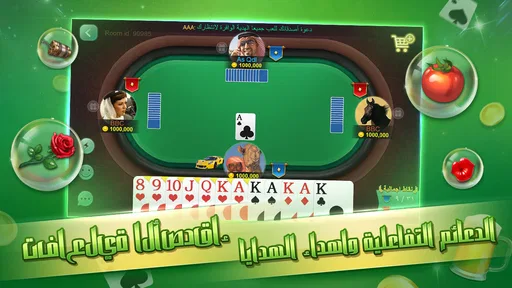
- Clear card layout makes suits and turns easy to follow.
- Rounds are generally short, making it suitable for casual play.
- Familiar Tarneeb rules provide an accessible experience for card-game fans.
Limitations of Tarneeb JOJO
- A stable internet connection is required for most multiplayer matches.
- Matchmaking quality may vary depending on the number of active players.
- Ads can interrupt the experience, especially for free users.
- Limited options may be available for customizing tables or card designs.
- New players may need time to understand bidding and scoring rules.
Similar Picks in This Category
View All
Solitaire - Classic Card Games
MobilityWare4.6

UNO!™
Mattel163 Limited4.3

Spider Solitaire: Card Games
MobilityWare4.6

Solitaire.com - Classic Cards
Tripledot Studios Limited4.7

Plants vs. Zombies™ Heroes
ELECTRONIC ARTS4.1

Hearthstone
Blizzard Entertainment, Inc.4.1
Frequently Asked Questions
What is Tarneeb JOJO and how is the game played?
Tarneeb JOJO is a mobile card game based on the popular Tarneeb trick-taking game, commonly played by four players divided into two teams. Players bid on the number of tricks they expect to win, choose the trump suit, and then compete to fulfill the bid. The app is designed to bring this traditional game to Android and iOS devices with digital opponents or online players.
Can I play Tarneeb JOJO offline without an internet connection?
Availability of offline play may depend on the version of Tarneeb JOJO and the specific game modes included by the developer. Some versions allow users to practice against computer-controlled opponents, while online rooms and multiplayer features require an internet connection. Before downloading, check the store description and permissions to confirm whether offline gameplay is supported on your device.
Does Tarneeb JOJO support multiplayer games with friends?
Tarneeb JOJO is primarily intended for multiplayer card-game sessions, and many versions provide options for joining rooms, inviting friends, or competing against other online players. The exact features can vary, including private tables, matchmaking, chat, and player rankings. A stable connection is recommended, especially during competitive matches, because interruptions may affect the game session.
Is Tarneeb JOJO free to download and play?
Tarneeb JOJO may be available as a free download, but the overall experience can include advertisements, optional purchases, virtual items, or other monetization features. The presence of paid elements depends on the version published in your region. Review the app-store listing before installing, and check whether purchases require additional confirmation, particularly if children also use the device.
What devices are compatible with Tarneeb JOJO, and is it safe to install?
Compatibility depends on the operating system version, device hardware, and the edition of Tarneeb JOJO offered through the official store. For a safer installation, download the app only from Google Play or the Apple App Store rather than unofficial websites. Also review the listed permissions, privacy policy, recent updates, and developer information before creating an account or sharing personal details.
Play our best games!


